Thanksgiving Appliance Safety: Keep Your Oven, Stove, and Fridge Safe and Working
Thanksgiving Appliance Safety: Keep Your Oven, Stove, and Fridge Safe and Working
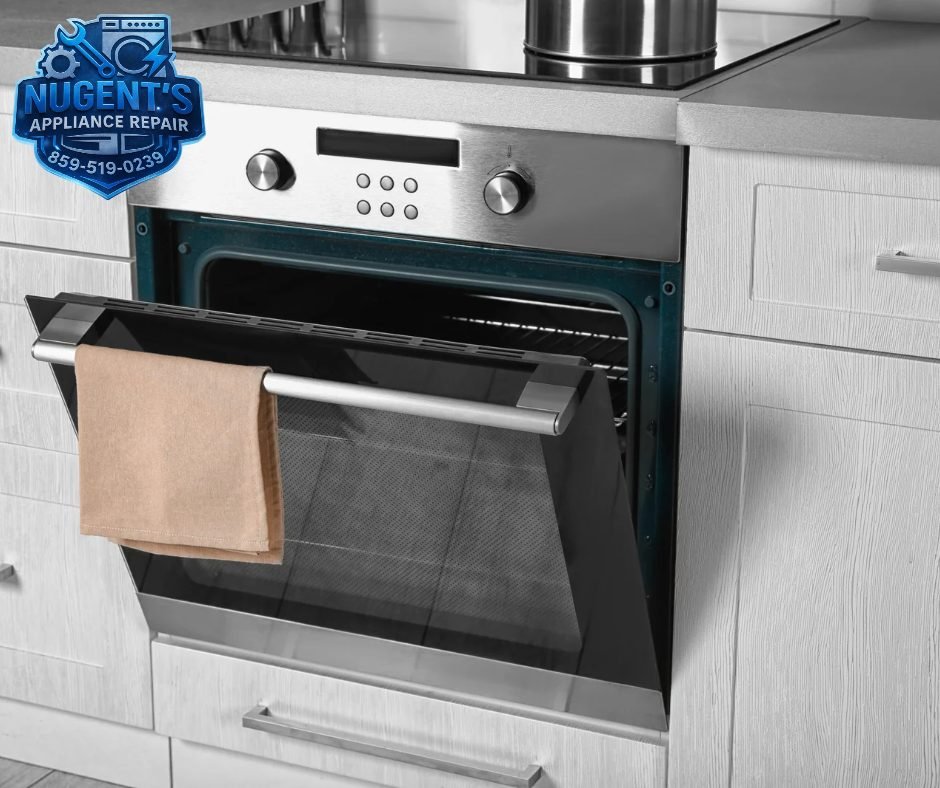
Thanksgiving is the hardest day of the year on your kitchen. It is also the most dangerous one.
More home cooking fires start on Thanksgiving than on any other day. The National Fire Protection Association (NFPA) counted about 1,139 home cooking fires on Thanksgiving Day in 2024. That is about four times a normal day. Christmas Day and Christmas Eve come next, at close to twice a normal day.
Most of these fires can be prevented. So can most holiday appliance breakdowns. A full day of cooking pushes weak parts past their limit, which is why oven and range calls spike this week. Here is what to do.
Do Not Run the Self-Clean Cycle This Week
This is the most common holiday oven mistake we see. People want a clean oven before company comes, so they run self-clean a day or two before the meal.
A self-clean cycle heats the oven to close to 1,000 degrees. That heat is hard on the parts around the oven. A technical supervisor at Repair Clinic told Consumer Reports that door latches, heating elements, gas igniters, and gaskets can fail during the cycle. The thermal fuse is another common one. It is a safety part that cuts power when the oven gets too hot. When it blows, the oven goes dead.
If the door locks and won't release, or the oven won't heat after the cycle, you could be waiting on parts over the holiday.
Clean it by hand this week instead. Spread a paste of baking soda and water on the spills, let it sit, and wipe it out. Save self-clean for after the holidays, and stay home while it runs.
Test Your Oven Now, Not Thanksgiving Morning
Run a test bake today or tomorrow:
- Set the oven to 350 degrees.
- Wait 20 minutes after it beeps.
- Check an oven thermometer on the middle rack.
- If it is off by 25 degrees or more, or never gets there, have it looked at.
Light every burner on the stove too. Each one should light in a few clicks and burn with a blue flame. If one clicks and won't light, our gas stove guide shows you what to check.
Stovetop Fire Safety
Unattended cooking is the top cause of home cooking fires, according to the NFPA. Their Thanksgiving safety tips come down to a few habits:
- Stay in the kitchen while anything is on the stovetop, mainly when frying or sautéing in oil.
- Keep oven mitts, towels, wooden spoons, and food packaging at least 3 feet from the stove.
- Skip long, loose sleeves while you cook.
- Keep a lid next to the pan. If a small grease fire starts, slide the lid over the pan, turn off the burner, and leave the lid on until the pan cools.
- Never put water on a grease fire.
- Keep kids and pets at least 3 feet away from the stove.
- Use a timer for the turkey and anything else that cooks for a long time.
If the Oven Catches Fire
Turn off the oven. Keep the door closed. Fire needs air, and an open door gives it more. Only open the door once the fire is fully out, and stand to the side when you do. If you are not sure the fire is out, get everyone outside and call 911.
After any oven fire, have the oven checked before you use it again. Heat can damage the wiring, the door gasket, and the temperature sensor.
Check Your Range for an Anti-Tip Bracket
This one gets missed a lot. Since 1991, new freestanding ranges have had to come with an anti-tip bracket. It is a small metal piece behind the range that holds one of the back legs in place. Many never get installed. Others work fine until the range gets pulled out for cleaning and never slides back into the bracket.
Without the bracket, weight on the open oven door can tip the whole range forward, hot pots and all. On Thanksgiving, that weight is often a heavy turkey pan set on the door, or a child standing on it to see the food.
To check, shine a flashlight behind the range and look for a bracket on the wall or floor. If you see one, make sure a back leg is seated in it. If there is no bracket, contact the company that made your range. The Consumer Product Safety Commission notes that some will send one at no charge.
Keep the Fridge Cold and Safe
A packed fridge is a warm fridge. Cold air has to move around the food to keep it cold.
- Keep the fridge at 40 degrees or colder. Put a thermometer on a middle shelf to check.
- Don't block the air vents on the back wall or between the fridge and freezer.
- Thaw the turkey in the fridge, not on the counter. The USDA says to allow about 24 hours for every 4 to 5 pounds.
If your fridge has been running warm or clicking, read our refrigerator clicking but not cooling post before the holiday.
About Turkey Fryers
The NFPA discourages oil turkey fryers because they can cause severe burns. If you want fried turkey, they point to safer options like infrared fryers, air fryers, and electric turkey fryers.
Frequently Asked Questions
Is it safe to self-clean my oven before Thanksgiving?
The cycle itself is normal use, but the timing is risky. The high heat can blow a thermal fuse or damage a door lock or control board. If that happens a day before the holiday, you may not get parts in time. Clean by hand this week and self-clean after.
What should I do if my oven stops working on Thanksgiving?
Check the breaker first. On a gas oven, make sure the gas is on. If the display went dead after a self-clean cycle, a blown thermal fuse is a common cause. That needs a repair visit. Don't try to bypass it, since it is a safety part.
Do you repair ovens and ranges near Lebanon?
Yes. We repair gas and electric ovens, ranges, and cooktops in Lebanon and across Marion County. We also serve Bardstown, Danville, Campbellsville, Elizabethtown, and nearby counties.
Holiday Hours and Booking
We are closed Thursday through Saturday, November 26 to 28, for Thanksgiving. If your oven or stove is acting up, book by Wednesday so we have time to fix it before the meal.
Every repair comes with our 1-year guarantee on parts and labor. Learn more about our oven and range repair and cooktop repair.
We Fix It, We Back It. Call 859-519-0239 or book online to get a firm price on your repair.